
Multi-Agent Customer Onboarding
Customer onboarding is where deals go to die. The sale closes, the customer signs, and then they enter a 14-day waiting room while your operations team chases documents, coordinates between departments, configures accounts, and manually transfers data between systems that don't talk to each other.
For the client in this case study — a B2B SaaS company (350 employees, £28M ARR, UK-based) serving the financial services sector — the onboarding process was consuming 2.3 full-time equivalents and producing a 14-day average time-to-value that was becoming a competitive liability.
Techseria deployed a multi-agent LangGraph.js system in a 7-week engagement. Average onboarding time is now 3.1 days. Here's exactly how.
The Before State: Mapping the Process
Before writing a line of code, we spent two weeks mapping the existing onboarding process in detail. The existing process involved 23 discrete steps across 6 systems and 4 departments. The handoffs between departments were all manual — emails, Slack messages, shared spreadsheet updates. Each handoff introduced an average 1.8 day delay. Total process: 14.2 days average from deal close to customer active.
The Multi-Agent Architecture
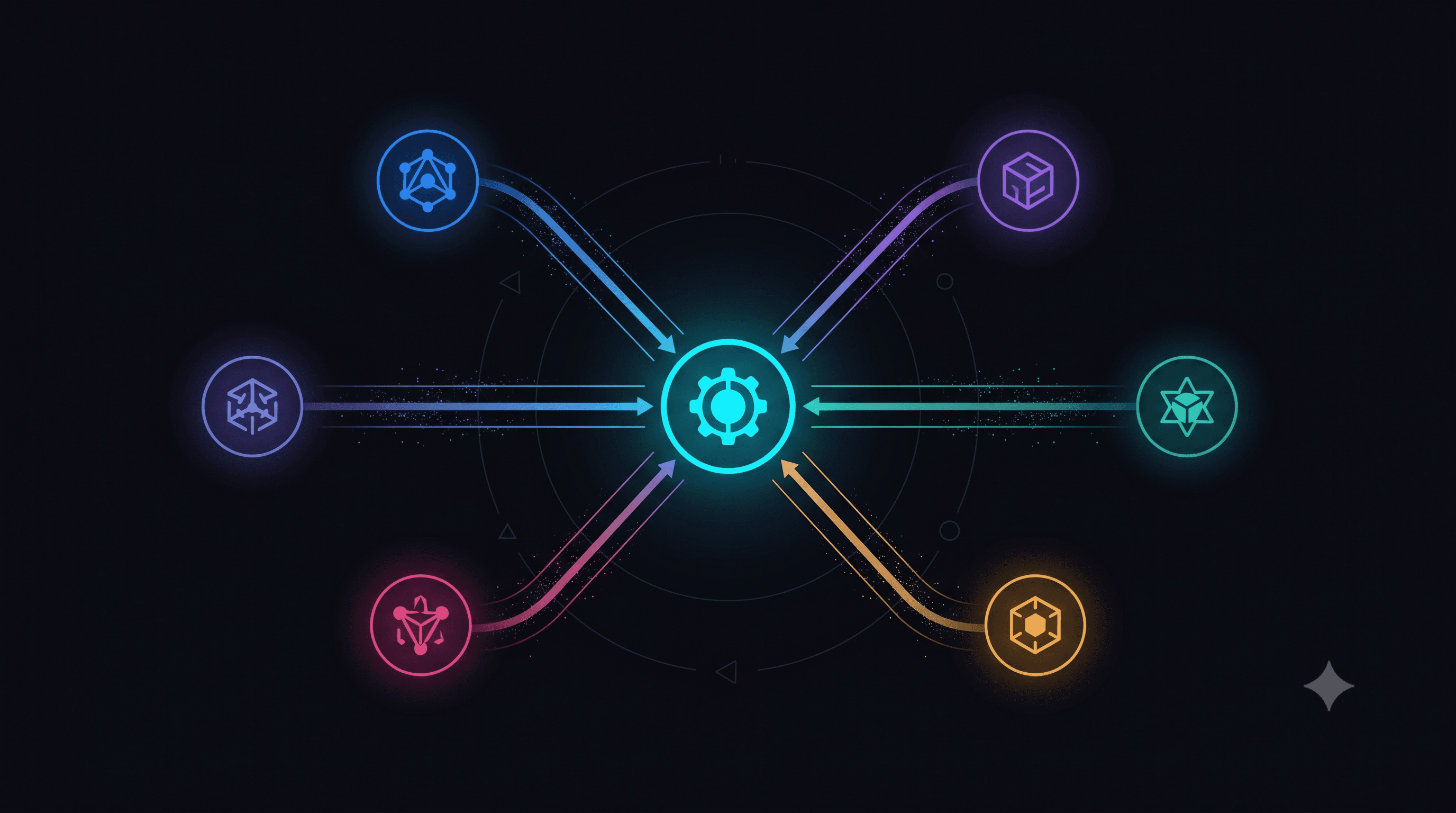
A single AI agent attempting to manage this entire process would be unwieldy and difficult to maintain. We designed a multi-agent architecture with a clear separation of concerns: Orchestrator Agent, Document Collection Agent, Identity Verification Agent, Contract Management Agent, Account Setup Agent, and Finance Agent.
The Results
After 90 days in production: Average onboarding time dropped from 14.2 days to 3.1 days (-78%). Staff time per onboarding reduced from 4.8 hours to 0.6 hours (-88%). Data entry errors reduced by 95%. NPS score at onboarding completion improved from 34 to 61 (+27 points).
Ready to deploy AI agents that actually work in production? Book a Strategy Session with Techseria.
Ready to accelerate your operations?
See how custom AI solutions, ERPNext integration, and workflow automations can lower your operating costs. Book your free 30-minute Workflow Audit with a senior engineer.